What is NMR?
Neuromuscular Reeducation (NMR℠) is a hands-on treatment for soft-tissue injury: the muscles, tendons and fascia that tighten and scar after a hard fall, years of the same motion, or long hours in one posture. Dr. Johnson finds the scarred, stuck tissue by hand, frees it while you move, and then retrains the joint through its full range so your body stops guarding it.
Dr. Johnson has been a certified NMR practitioner since January 2004.
Where NMR came from
Gary Glum, D.C., and Joseph Hourigan developed NMR. Peter J. Levy, D.C., of Santa Barbara, studied with Dr. Glum, took over the teaching, and trained and certified chiropractors in the United States and abroad until shortly before his death in 2021. Dr. Johnson studied under Dr. Levy, earned his certification in January 2004, and was listed in Dr. Levy's directory of certified practitioners from its early years through its last update in 2020.
How NMR works
When tissue is injured, the body patches it with scar tissue. The patch is stiffer than the tissue it replaces and it does not lie in neat lines, so it glues healthy fibers to injured ones. These adhesions are why a shoulder, hip or hamstring can stay weak and tight long after it should have healed: when a stretching muscle reaches an adhesion, it contracts to protect itself. Rest, medication and bracing can quiet the pain, but none of them removes the adhesion.
Find
A movement and muscle exam locates each restriction, where it is and which way it runs. The muscle that limits a movement is often not the one that hurts.
Release
Specific pressure is applied to the adhesion while you move the joint, working the tissue back toward its normal texture, tension and length.
Reeducate
The joint is taken through its fullest range and you go back to the activity that caused the problem, so your body learns the problem is gone.
Freeing the adhesion is only part of the battle.Peter J. Levy, D.C., nmrseminars.com, 2007
That reeducation step is what separates NMR from deep-tissue massage. After an injury, people keep moving around the sore spot, sometimes for months after it has healed. Ending every visit with full range of motion and corrective exercise breaks that habit.
Who NMR helps
NMR treats injuries of the muscle, tendon and fascia anywhere in the body, whether new or years old. Patients come to Dr. Johnson with:
Athletes make up a large share of the practice, from youth and high school players to professionals, but most NMR patients simply want to move without pain.
What to expect at your visit
Your first visit
A history of the injury and a movement examination: muscle tests, range of motion and hands-on checks of the joints and tissue, including the areas around the pain, not only the spot that hurts.
The treatment
Firm, specific pressure on each restricted area while you move. Each pass takes seconds. Where a joint is also restricted, an adjustment follows the soft-tissue work.
Before you leave
Full range-of-motion work and the corrective exercises that keep the tissue from tightening again. You will be asked to return to the activity that has been bothering you.
Common questions
Does NMR hurt?
It is firm and specific, and it can be uncomfortable for a few seconds at a time. Pressure goes on the exact tissue that is restricted. Most patients describe it as a "good" discomfort that eases as the tissue lets go, and you stay in communication with Dr. Johnson throughout.
How soon will I notice a difference?
Many patients notice a change in how far and how easily they move during the first visit. Dr. Johnson agrees a short course of visits with you up front and judges by results. Long-standing injuries and larger tears take longer. If a problem is not responding, he will tell you and talk about other options.
Will I be sore afterward?
Some soreness the next day is common after deep soft-tissue work, as after a hard workout. Water, gentle movement and ice help.
Is NMR massage?
No. Massage relaxes tension across a muscle. NMR goes after specific adhesions in a specific order, based on the muscles that produce the movement you have lost, and it ends with range of motion, exercise and, where needed, an adjustment.
Why do I have to do exercises?
Your body adapted to the injury and will keep moving around it until it learns otherwise. The exercises are the "reeducation" in Neuromuscular Reeducation.
Why is he working on a muscle that doesn't hurt?
Muscles work in chains. The muscle that stops a shoulder from lifting is often under the shoulder blade, and the one that stops a back from straightening is often deep in the hip. Treating only where it hurts misses the cause.
Patients on NMR
I am so grateful for Dr. Johnson's unique approach to chiropractic care through Neuromuscular Re-education (NMR).Natalie
Dr. Johnson is the only Chiropractor who focused immediately on my daily headache symptoms. His NMR treatments are marvelous and I am so grateful for the quick results and long lasting pain relief that has tremendously improved my quality of life.Mike, 55, School teacher
Read every patient testimonial
Your NMR practitioner
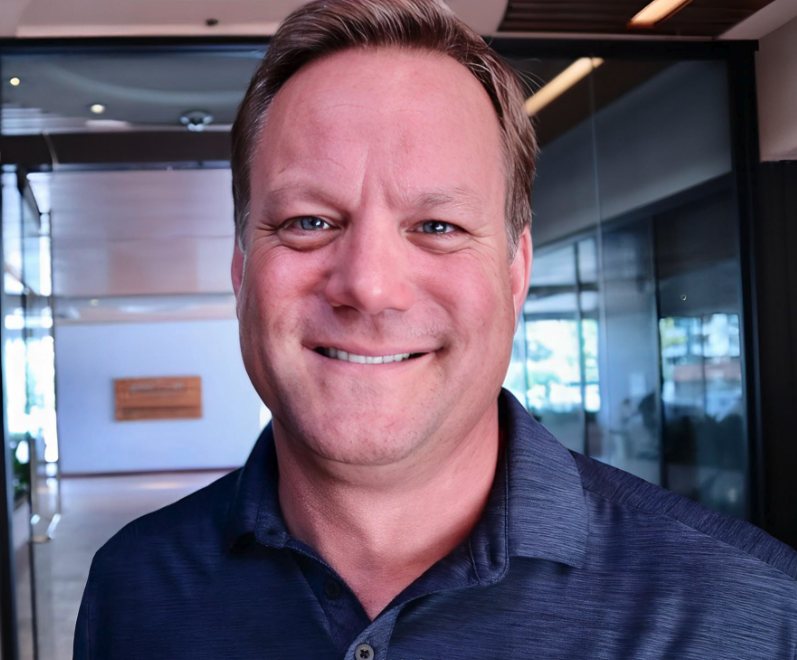
Jeffrey S. Johnson, D.C.
Doctor of Chiropractic since 1996. Certified in Neuromuscular Reeducation under Dr. Peter J. Levy, January 2004. At TRUchiropractors NMR is used with chiropractic care and corrective exercise, and with SoftWave tissue regeneration and Rapid Release Technology for chronic cases. About Dr. Johnson · Credentials and CV
Neuromuscular Reeducation and NMR are service marks of Dr. Peter J. Levy's NMR Seminars. Much of the explanation on this page follows Dr. Levy's teaching, with thanks.